
"seven major"
1000 article(s) found

What are the seven major coffee producing areas in Guatemala
Guatemala has seven major coffee producing areas: Antigua,Coban,Atitlan,Huehuetenango,Fraijanes,Oriente and San Marcos. The coffee beans in each producing area have their own characteristics, and they have won a lot of praise for Guatemala in the international community, especially the perfect harmony of Antigua's sour, sweet and mellow texture; add a hint of smoke to emphasize it.

Seven major coffee producing areas in Guatemala introduce boutique coffee
Guatemala has seven major coffee producing areas: Antigua,Coban,Atitlan,Huehuetenango,Fraijanes,Oriente and San Marcos. The coffee beans in each producing area have their own characteristics, and they have won a lot of praise for Guatemala in the international community, especially the perfect harmony of Antigua's sour, sweet and mellow texture; add a hint of smoke to emphasize it.

What are the seven major coffee producing areas in Guatemala
Guatemala has seven major coffee producing areas: Antigua,Coban,Atitlan,Huehuetenango,Fraijanes,Oriente and San Marcos. The coffee beans in each producing area have their own characteristics, and they have won a lot of praise for Guatemala in the international community, especially the perfect harmony of Antigua's sour, sweet and mellow texture; add a hint of smoky taste to emphasize its

What are the seven major coffee producing areas in Guatemala
Guatemala has seven major coffee producing areas: Antigua,Coban,Atitlan,Huehuetenango,Fraijanes,Oriente and San Marcos. The coffee beans in each producing area have their own characteristics, and they have won a lot of praise for Guatemala in the international community, especially the perfect harmony of Antigua's sour, sweet and mellow texture; add a hint of smoky taste to emphasize its

Coffee has become one of the major agricultural products in Colombia. Seven different producing areas.
Costa Rican volcanic terrain with fertile volcanic ash, mild and suitable temperature, and stable and abundant rainfall is one of the reasons why coffee has become one of the main agricultural products in Costa Rica. The seven major producing areas are: Tarrzu, Tres Rios, Orosi, Central Valley, West Valley, Turrialba and Brunca. Flavor description: berries, caramel, cream, subtle spices.

What are the seven major coffee producing areas in Guatemala
Guatemala has seven major coffee producing areas: Antigua,Coban,Atitlan,Huehuetenango,Fraijanes,Oriente and San Marcos. The coffee beans in each producing area have their own characteristics, and they have won a lot of praise for Guatemala in the international community, especially the perfect harmony of Antigua's sour, sweet and mellow texture; add a hint of smoky taste to emphasize its
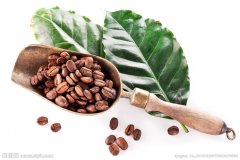
There are seven major coffee producing areas in Guatemala. Guatemala produces a variety of premium coffee beans.
Guatemala has seven major coffee producing regions: Antigua, Coban, Atitlan, Huehuetenango, Fraijanes, Oriente, and San Marcos. Each region has its own coffee beans, but also for Guatemala won a lot of international praise, especially Antigua it sour, sweet, mellow texture is how perfect coordination; add a trace of smoke, more emphasis on it
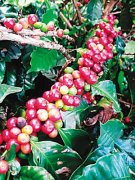
Moderate roasted mellow coffee flavor costaRica from seven major coffee producing areas in Costa Rica
The flavor of Costa Rica has always been steady, without the sharpness of Guatemala, it is quite mild and supple, sour, sweet and bitter chocolate, inclusive and well-balanced, is the classic flavor of gourmet coffee. The seven major coffee producing areas are as follows: Durieba Valley (northeast of the capital San Jose), Central Valley (northwest of San Jose), and Western Valley (west of the capital).
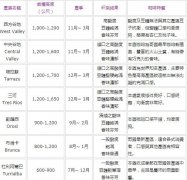
In-depth understanding of Costa Rica's seven major producing areas Costa Rica Coffee Manor introduction
The seven main coffee producing areas in Costa Rica are distributed from northwest to southeast along with the inland central plateau. Costa Rican volcanic terrain with fertile volcanic ash, mild and suitable temperature, and stable and abundant rainfall is one of the reasons why coffee has become one of the main agricultural products in Costa Rica. As the coffee industry in Colombia began to develop since the middle of the 18th century, coffee was first introduced into Central America.
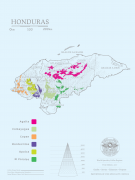
Introduction and grading system of Honduran coffee what are the seven major coffee producing areas in Honduras?
Introduction to Honduran Coffee for mild Central American coffee, Honduras has a distinct style and strong tonality. Although the coffee industry has developed relatively late, it has a strong momentum, not only with large output and high sweetness, but also with fruity aroma and low acidity. Also nurtured a number of loyal. The mountain topography of Honduras is conducive to the cultivation of very diverse and good quality coffee.

Guatemala's Seven Major Coffee Producing Areas Coffee Bean Farm
Each region of coffee beans have their own characteristics, but also for Guatemala won a lot of international praise, especially Antigua it sour, sweet, mellow texture is how perfect harmony; add a hint of smoke, more emphasis on its mystery, after tasting you will have reason not to let yourself look for alternatives everywhere. Guatemala coffee beans are mostly cultivated in volcanic areas at high altitudes where the soil is highest

Introduction to the flavor and taste of the seven major coffee producing areas in Guatemala
The volcano once destroyed the once-prosperous capital in an instant, robbing it of all its prosperity and beauty overnight. After this subversive mountain city, the splendor has disappeared for more than 200 years, and Antigua has never swaggered again. After being dull, Antigua is now run by the last remaining Indians. These hardworking and strong Indians became later

Introduction of grindability varieties by description of characteristic grade flavor in seven major producing areas of coffee beans in Kenya
Generally speaking, due to the cold climate and slow growth rate of coffee in alpine areas, the density of raw beans is higher and the texture is harder, and the more mellow and aromatic coffee is, and it has a supple sour taste; on the other hand, the density of raw beans is smaller and the texture is less hard, so the quality of coffee is worse, so some people grade it by hardness. This grading method can be divided into the following categories: pole

Full-bodied taste of the seven major coffee bean producing areas in Kenya AA characteristics graded treatment manor introduction
Generally speaking, due to the cold climate and slow growth rate of coffee in alpine areas, the density of raw beans is higher and the texture is harder, and the more mellow and aromatic the coffee is, and it has a supple sour taste; on the contrary, the density of raw beans is smaller and the texture is less hard. the quality of coffee is poor, so some people grade it by hardness. This classification method can be divided into the following categories: very hard beans, height about 4500

How do contestants make individual coffee beans? Introduction to the flavor characteristics of food rations and beans in the seven major producing areas of Qianjie
There are two types of coffee beans commonly sold in the market, one is for Italian coffee machines, and the packaging size is usually relatively large (1 pound or 1 kg), and the other is marked with a detailed identification of origin, which is usually called single product coffee beans. this kind of coffee is often used in hand-made, French pressure and other filter coffee, and the packaging specifications are usually half.

Description of flavor characteristics of seven major producing areas of Kenyan coffee beans taste of Kenyan coffee beans treated varieties
Kenyan coffee producing areas introduce altitude, latitude and geology: the equator runs through Kenya, and the border is just within ten degrees of north and south latitude. Belonging to tropical producing areas, there are two rainy seasons every year, with two harvests, with 60% concentrated from October to December and another 40% from June to August. Coffee is mainly grown in volcanic areas around 16002100 meters above sea level from the capital Narobi to the mountains of Kenya. This height

Introduction to the story of the seven major coffee brands in India the flavor and taste of Indian monsoon sun-treated coffee beans are special.
India has long been a grower of coffee beans. In fact, it is the world's sixth largest coffee producer. But in most parts of the country, the vast majority of Indians prefer to start their day with tea, and traditionally, if you order coffee in a restaurant, you are more likely to get a sad cup of Nestle coffee than real coffee. But in recent years, this situation has been achieved.

Take stock of the seven major airport coffee shops in the world and have a good time.
Nowadays, a pint of handmade soapy water has become a must at the airport. However, mediocre drinks are still popular, and it is not easy to find a delicious cup of coffee at the airport. Thrillist, an American travel website, will take you through airports around the world to find the most delicious coffee shops.

Introduction to the characteristics of seven major producing areas of manor flavor and taste in Kenyan coffee producing areas
This is the earliest classification of Kenyan coffee beans and is still in use in many parts of Brazil. The method of identification is to randomly take 300 grams of samples and put them on black paper, because black paper can best avoid reflection. Then, examined carefully by the professional appraiser, find out the defective beans in the sample, and accumulate different scores according to the types of defects. For example, one black bean counts as one point and one stone counts as one.

A brief introduction to the seven major tea producing areas in India: Darjeeling, Assam, Kangra, Nilgiri, Dooars-Terai, Sikkim and Tripura
Darjeeling, Assam and Nilgiri are the three regions where people talk about Indian tea regions. I love all the teas, but there are plenty of other teas to explore! In this article, I will use the list of regions used by Indian tea boards. All of them have been granted geographical indications by the World Trade Organization. Remember, all over India